Should Germany ban its far-right party?
Post Reports
Dec 09
Should Germany ban its far-right party?
Should Germany ban its far-right party?
Post Reports
Dec 09
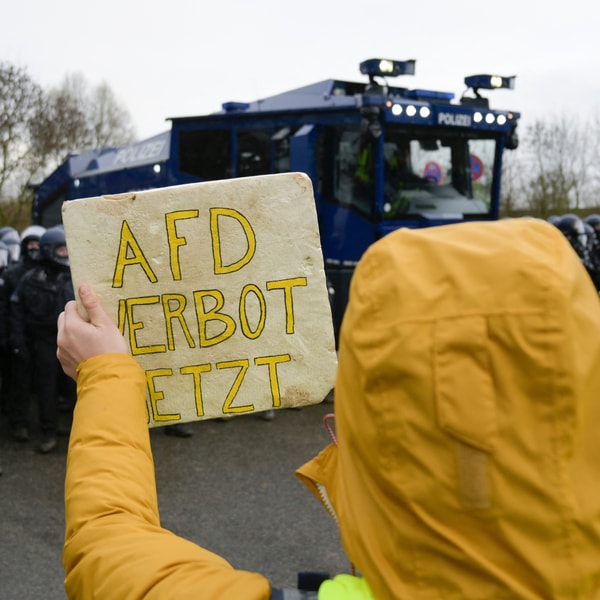
As the Alternative for Germany (AfD) gains momentum, the nation confronts a profound dilemma: how to protect democracy without undermining the very freedoms it seeks to defend. With echoes of historical extremism resurfacing, Germany stands at a crossroads between safeguarding constitutional values and preserving open political discourse.
Germany is grappling with whether to ban the AfD, a far-right party now polling near 25% and classified as right-wing extremist by domestic intelligence. While critics accuse the party of promoting unconstitutional, exclusionary policies reminiscent of Nazi-era ideologies, AfD supporters claim banning them would be undemocratic and alienate millions. International figures have weighed in, with some U.S. politicians condemning the move, highlighting transnational far-right solidarity. Past attempts to ban extremist parties failed due to legal hurdles, fueling concerns that a failed ban could embolden the AfD. With the next election looming, lawmakers face mounting pressure—act now and risk backlash, or delay and potentially lose the legal ability to ban the party altogether. Activists warn that inaction could normalize extremism, pointing to the rise of movements like MAGA as cautionary tales.
10:49
10:49
Banning the AFD would silence 25% of voters and harm democracy.
13:41
13:41
U.S. figures like J.D. Vance and Marco Rubio defend the AfD, calling its scrutiny anti-democratic.
23:08
23:08
Banning the AfD could radicalize its supporters or validate it if the effort fails.